

Last Updated: November 10, 2026
Quick Summary
To deepen daily faith, start with a short, repeatable devotional routine of five to ten minutes at the same time and place each day, then build up gradually. Read one verse slowly, pray honestly in your own words, and remove distractions like your phone. Consistency, not length, is the goal.
- Five minutes is enough to begin: read one verse, sit with it, and say one honest prayer.
- A four-part prayer pattern of thank, admit, ask, and wait takes under three minutes.
- The four-week starter plan grows from five minutes a day to twelve minutes a day.
- Keep a two-minute fallback for impossible days to protect the habit.
- Review growth weekly with five prompts instead of scoring yourself daily.
Table of Contents
- Start with One Honest Step: Building a Daily Devotional Routine That Sticks
- Daily Prayer Habits: Learning to Talk to God Like a Friend
- Spending Daily Time with God When Your Schedule Is Full
- A Deepen Your Faith Bible Verse to Anchor Each Day
- Remove Distractions and Make Room for God's Presence
- When Your Practice Feels Dry: Handling Doubt and Inconsistency
- Track Spiritual Growth Without Guilt
- Choose a Devotional Resource That Fits Your Season
- Frequently Asked Questions
Start with One Honest Step: Building a Daily Devotional Routine That Sticks
Most people who want to know how to deepen daily faith start with a plan that is too big. They commit to an hour, miss day three, and quietly give up.

A daily devotional routine is a short, repeatable block of time each day for Scripture, reflection, and prayer. The goal is consistency, not length. Ten faithful minutes beat a heroic hour you never repeat.
Choose a Time and a Place You Can Actually Keep
Pick a slot you already protect, the first ten minutes after coffee, or the last ten before bed. Then pick one spot: a chair, a porch step, a corner of the bedroom. Same time, same place, every day, and your brain starts to associate that spot with meeting God.
A common mistake is choosing the ideal time instead of the realistic one. If your mornings are chaos, schedule 9 p.m. and keep it.
Start with Five Minutes, Not Fifty
Five minutes is enough to begin. Read one verse. Sit with it. Say one honest prayer. That is a complete devotional.
A short, steady practice can grow on its own. Let the desire for more build instead of forcing it.
Daily Prayer Habits: Learning to Talk to God Like a Friend
Daily prayer habits grow the same way friendships do: through small, regular conversation. Prayer is simply talking with God honestly, in your own words, and then pausing to listen. It does not require fancy language or a perfect mood.
The mistake most guides miss is treating prayer as a performance. It is a relationship, and relationships are built on frequency, not polish.
A Simple Prayer Pattern for Busy Mornings
Try this four-part pattern when your morning is tight:
- Thank - name one specific thing you are grateful for.
- Admit - tell God one thing you got wrong.
- Ask - bring one need, for yourself or someone else.
- Wait - sit in silence for sixty seconds and listen.
That is it. Four steps, under three minutes. The pattern keeps you from drifting into vague, distracted prayer.
Spending Daily Time with God When Your Schedule Is Full
Spending daily time with God does not require an empty calendar, just a protected slot you are willing to defend. The busiest seasons are often when it matters most, because you are running on your own strength.
Most people wait for margin to appear. It rarely does. Carve it out and treat it as fixed. The question is not whether you have time but which ten minutes you will hand over first.
A Four-Week Starter Plan You Can Run at Any Schedule
Most guides tell you to "be consistent" and leave the how to you. This plan gives specific daily actions, honest time estimates, and gradual progression. Run it four weeks, then decide whether to extend each stage.
Week 1, Five minutes a day. Read one verse out loud. Say one sentence of thanks and one sentence of need. Stop. Total time: five minutes. The only goal is showing up five days out of seven.
Week 2, Seven minutes a day. Add a sixty-second pause after the verse. Ask one question: "What does this word say about God?" Write one word on a sticky note and leave it where you will see it. Total time: seven minutes.
Week 3, Ten minutes a day. Add a second reading of the same verse in the evening, plus a one-line prayer before bed. Keep the morning block identical to Week 2. Total time: ten minutes split across two touchpoints.
Week 4, Twelve minutes a day. Add a short written reflection on Sunday only: three sentences on what you noticed about God, yourself, and one action you will take. Total time: twelve minutes on six days, twenty on Sunday.
People often skip the progression and jump to Week 4 on day one. That is the plan that fails. The staged build is the mechanism, not the content.
Watch out: if you miss two days in a row, do not restart at Week 1. Resume at your stage and shorten the session to five minutes for one day. Restarting from zero turns a missed day into a quit.
Adapting the Plan to Your Actual Life Stage
The four-week structure stays the same; only the shape changes. Adjust the container, not the commitment:
- New parents: attach the five-minute block to one feeding. Read the verse aloud while the baby is awake; the sound of Scripture is part of the practice, not a distraction from it.
- Commuters: use the drive for the listening portion. Play one chapter of audio Scripture on the way in, then pray the four-part pattern before you park. The car becomes the chapel, and the parking brake becomes the amen.
- Students: ten minutes before the first class with the phone face down in a backpack, not on the desk. The physical separation matters more than the willpower.
Women in a particular life stage often want a devotional written specifically for them, and a resource like Women Of Worth And Wonder 366 Day Devotional For Women PDF Epub meets that need.

The Two-Minute Fallback for Impossible Days
Some days will not hold ten minutes. Keep a two-minute fallback: read one verse you know by heart, name one thing you are grateful for, and ask God for one thing. That is a complete practice, not a lesser one, and it protects the habit on days the schedule wins.
A Deepen Your Faith Bible Verse to Anchor Each Day
A deepen your faith Bible verse gives your day a fixed point. Choose one verse each morning, write it down, and return to it three times during the day. By evening, it has had a chance to work on you.
You do not need a new verse every day. Many believers keep one verse for a full week. Repetition is how Scripture moves from the page into the memory.
How to Read a Verse Slowly and Let It Settle
Slow reading is a spiritual discipline, not a speed test. Try this:
- Read the verse out loud, twice.
- Name one word that stands out.
- Ask what that word says about God.
- Ask what it says about you.
- Pray one sentence back to God.
That takes about four minutes. It is far more fruitful than skimming a chapter and remembering nothing.
Remove Distractions and Make Room for God's Presence
Distractions are the quiet killer of a devotional life. A phone on the table is a standing invitation to leave. Remove it before you start, not after you notice you have drifted.
Practical boundaries that work:
- Put your phone in another room or on airplane mode.
- Keep a paper Bible or a printed devotional nearby.
- Use a timer so you are not checking the clock.
Digital tools can help or hurt. A devotional app is useful on the go, but a phone that pings during prayer will win. Set a boundary before you open the screen.
When Your Practice Feels Dry: Handling Doubt and Inconsistency
Spiritual dryness is normal and not a sign that your faith has failed. Many mature believers go through long stretches where prayer feels flat and Scripture feels like homework. The feeling is not the measure.
The worst response to dryness is quitting. The second worst is pretending. Instead:
- Keep the routine, shrink the content. Read one verse instead of a chapter.
- Change the mode. Switch from reading to listening, or from journaling to praying out loud.
- Name the doubt out loud to God. He is not surprised by it.
If you feel dry in your practice, A Season of Clear Shining | Books, Hymns & Hope offers hymn stories and reflections that rekindle hope and faith.
Track Spiritual Growth Without Guilt
Tracking growth is not scorekeeping; it is noticing. A simple habit tracker with a checkbox for each day is enough. The point is to see patterns, not grade yourself.
Most guides either skip tracking or turn it into a performance metric that produces guilt. This section offers a third path: a weekly review that measures direction, not perfection, with prompts that help you notice change without treating faith as a scoreboard.
Why Daily Scores Fail and Weekly Reviews Work
A daily checkbox measures attendance, not growth. A weekly review measures direction: are you more attentive this week than last, more honest in prayer, quicker to serve? Those questions survive a missed Tuesday. A streak counter does not.
Set aside ten minutes once a week, ideally the same day each week, and answer five prompts in writing. Keep the answers in one notebook so you can compare months later. That comparison is the mechanism; without a record, you are only guessing at growth.
Five Reflection Prompts for the Weekly Review
- Attention: Where did I notice God this week, in a person, a passage, a circumstance? Name one specific moment.
- Honesty: What did I pray that I would not have prayed a year ago? Growth often shows up as greater honesty, not better words.
- Fruit: What one act of service or kindness did I do that I would not have done without this practice? Connect the routine to action.
- Resistance: What made the practice hard this week, fatigue, distraction, doubt, schedule? Name the trigger so you can plan around it.
- Return: What is one small adjustment for next week? One adjustment, not five.
These prompts are designed so that a hard week still produces useful information. A week of dryness is data, not a failure.
A Simple Tracking Table That Measures Direction
Use this table once a week rather than once a day. Fill in one row per week and keep the rows in order so you can see the trend.
| What to Track | How to Measure It | Why It Helps |
|---|---|---|
| Consistency | Days practiced out of seven | Shows honest patterns without daily pressure |
| Focus | One word for how attentive you felt | Reveals distraction triggers week to week |
| Fruit | One act of service or kindness | Connects practice to action |
| Gratitude | One thing you thanked God for | Builds reflection |
| Scripture | One verse you remember | Shows what is sticking |
| Adjustment | One change for next week | Turns review into action |
Miss a day? Mark it and move on. Guilt is a poor motivator, and it is not how God treats His children. The goal is a long, honest streak of returning, not a flawless record.
The Restart Protocol for Missed Days and Dry Weeks
Inconsistency is the norm. What separates people who grow from people who quit is not a perfect record but a practiced return. Use this protocol when you miss days or a week feels flat:
- Miss one day: do nothing different. Resume the next day at the same time and place.
- Miss two to three days: resume at half your normal length for one day, then return to full length. The shortened session removes the dread of restarting.
- Miss a week or more: do not restart the whole plan. Pick up at the stage you left and run one full week at that stage before advancing.
Watch out: the most common failure is treating a missed day as evidence that the whole practice does not work. The review exists to catch that story before it becomes a decision.
What to Do with the Record After Three Months
After twelve weekly reviews, read the first row and the last row side by side. Look for three signals: Is your attention more specific? Is your honesty greater? Is your service more frequent? If any of the three has moved, you have evidence of growth that a daily streak could never show. If none has moved, change one variable, the time, the place, or the resource, and run another twelve weeks.
Choose a Devotional Resource That Fits Your Season
The right devotional resource does the planning for you.
Our FaithBuilt devotionals are built around that exact rhythm. You can browse the full collection at Faithbuilt Devotionals.
A few options worth knowing:
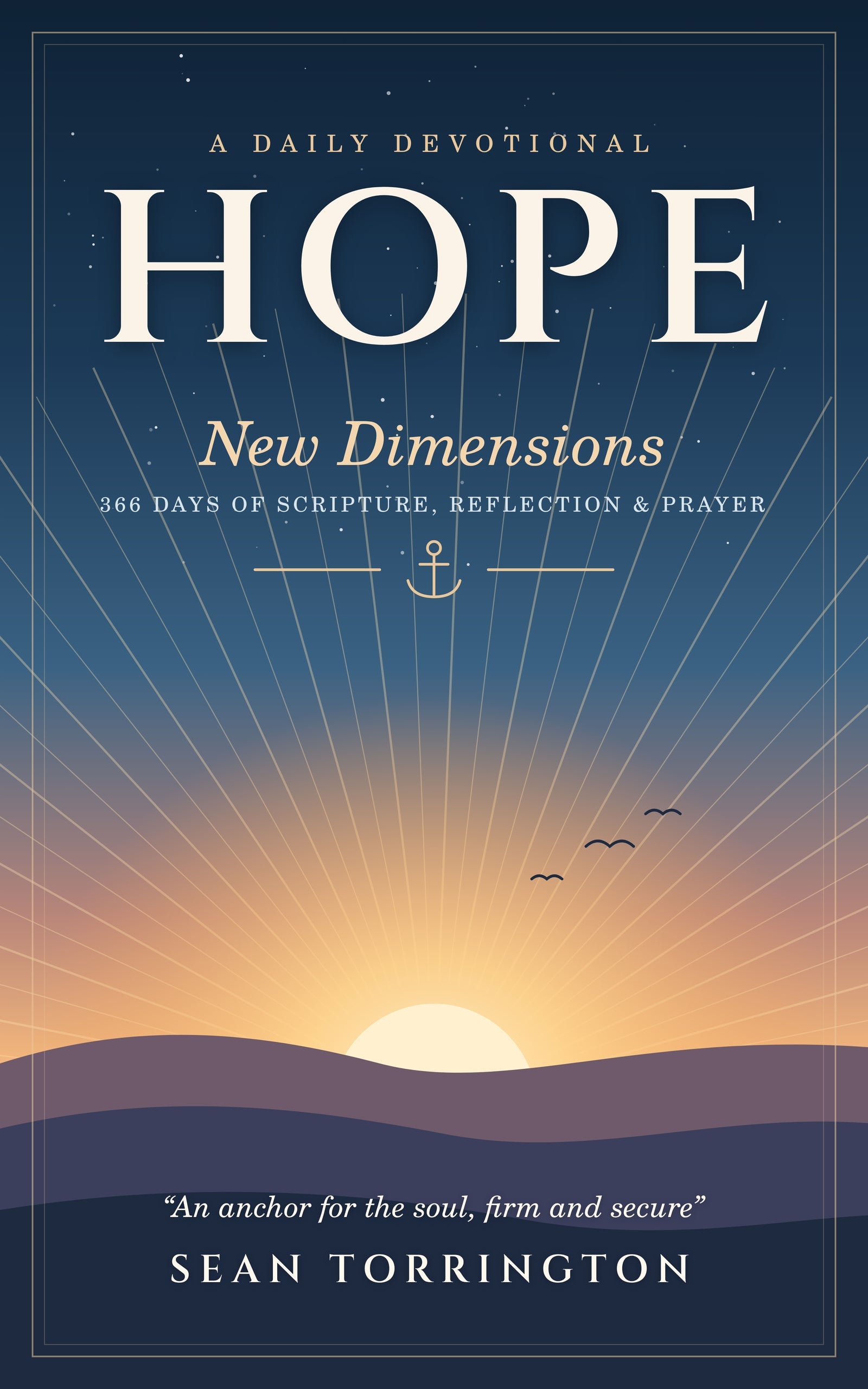
- For a year-long, structured walk: Hope New Dimensions 366 Day Devotional Pdf Epub gives you 366 days of Scripture, reflection, and prayer.
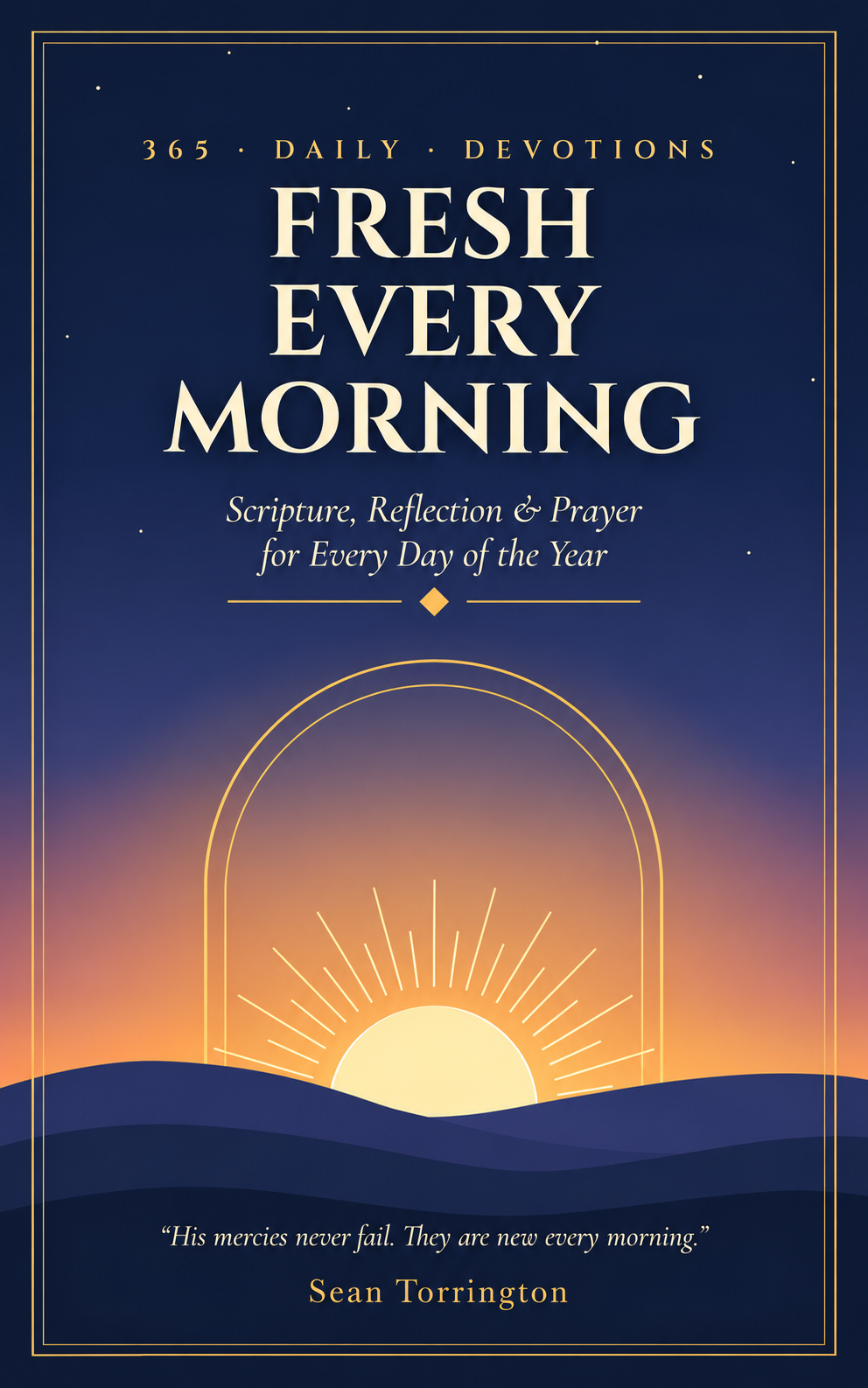
- For new believers and lifelong Christians alike: Fresh Every Morning offers 366 readings with a verse in full, a short reflection, a practical step, and a prayer.
- For seasons of change: Wells Along the Way walks through the landscapes of the Bible, one waypoint at a time.
If you are setting up a morning routine and want a ready-made devotional to follow, Fresh Every Morning Devotional gives you one Scripture, a few minutes of reflection, and a simple prayer each day.
Building a daily faith that lasts is not about dramatic gestures.
DYNAMIC DYMENTIONZ SHOP ZONE exists to make that easier.
Get started with DYNAMIC DYMENTIONZ SHOP ZONE and give your daily walk a structure you can actually keep.
Frequently Asked Questions
What are some simple ways to deepen my faith every day?
Start with three small habits: read one passage of Scripture, pray a short honest prayer, and reflect on one thing you are grateful for. Keep each step under five minutes at first. Consistency matters more than length. Over time, add a daily devotional routine and a weekly act of service. The goal is a relationship with God, not a perfect record.
How can I make time for God when my schedule is already full?
Attach prayer to something you already do: the first minute after your alarm, the commute, or the walk to your car. Spending daily time with God does not require a silent hour. Try five minutes before you check your phone. For busy seasons, a digital devotional with a short reading and prayer can keep the habit alive until your schedule opens up.
What should I do when I feel distant from God or my daily practice feels dry?
Dry seasons are normal and not a sign of failure. Change one thing: read a different part of Scripture, pray out loud, or try a devotional written for weary seasons. Talk to a trusted friend or pastor. If you have missed days, start again today without shame. The Berean Standard Bible and a structured devotional can give you words when your own feel hard to find.
Which daily habits can help strengthen my faith the most?
The habits that last are the ones tied to your real life. Try a daily devotional routine with Scripture, reflection, and prayer. Add gratitude at meals, fellowship with a small group, and one act of service each week. Use a Bible verse to deepen your faith by memorizing a single line and carrying it through the day. Track progress gently, not with guilt.
