

Last Updated: November 14, 2026
Quick Summary
To maintain consistent daily prayer, start with a realistic routine: pick a regular time, a quiet place, and one small goal, keeping sessions short at first. Five to ten minutes done every day builds more consistency than an hour done once a month. Track the habit, restart without drama after missed days, and keep your routine flexible when schedules shift.
- Choose a regular time, a quiet private place, and one small specific goal to begin.
- Connect prayer to an existing habit like brushing your teeth or pouring coffee.
- Use the four-part pattern: thanksgiving, confession, petition, and intercession.
- A paper calendar with a checkmark or a notes app works as a prayer habit tracker.
- Set daily alarms or prayer reminders so you don't have to decide each time.
Table of Contents
- Start with a Realistic Daily Prayer Routine for Beginners
- Daily Prayer Examples to Guide Your Time
- How Long to Pray Each Day Without Overcomplicating It
- Use a Prayer Habit Tracker to Stay on Course
- Frequently Asked Questions
Start with a Realistic Daily Prayer Routine for Beginners
More than four in ten Americans (44%) pray at least once a day, and another 23% pray weekly or a few times a month, according to Pew Research Center's 2025 report on prayer and other religious practices. That means most people already have some daily prayer in their lives. The hard part is keeping it steady. This guide from DYNAMIC DYMENTIONZ SHOP ZONE shows you how to maintain consistent daily prayer without turning it into a guilt trip.
Start with a realistic daily prayer routine for beginners: pick a regular time, a quiet place, and one small goal. Keep it short at first. Five minutes done daily beats thirty minutes done once.
Here is a simple starting plan:
- Choose a regular time. Morning prayer works for many people because the day hasn't crowded in yet.
- Pick a quiet, private place. A chair by a window or a parked car will do.
- Set one small, specific goal. "I will pray for five minutes before coffee" is a real goal. "I will pray more" is not.
- Connect it to an existing habit. Pray right after you brush your teeth or pour your first cup.
- Use a prayer prompt. One Bible verse or one line of gratitude gives your mind a place to start.
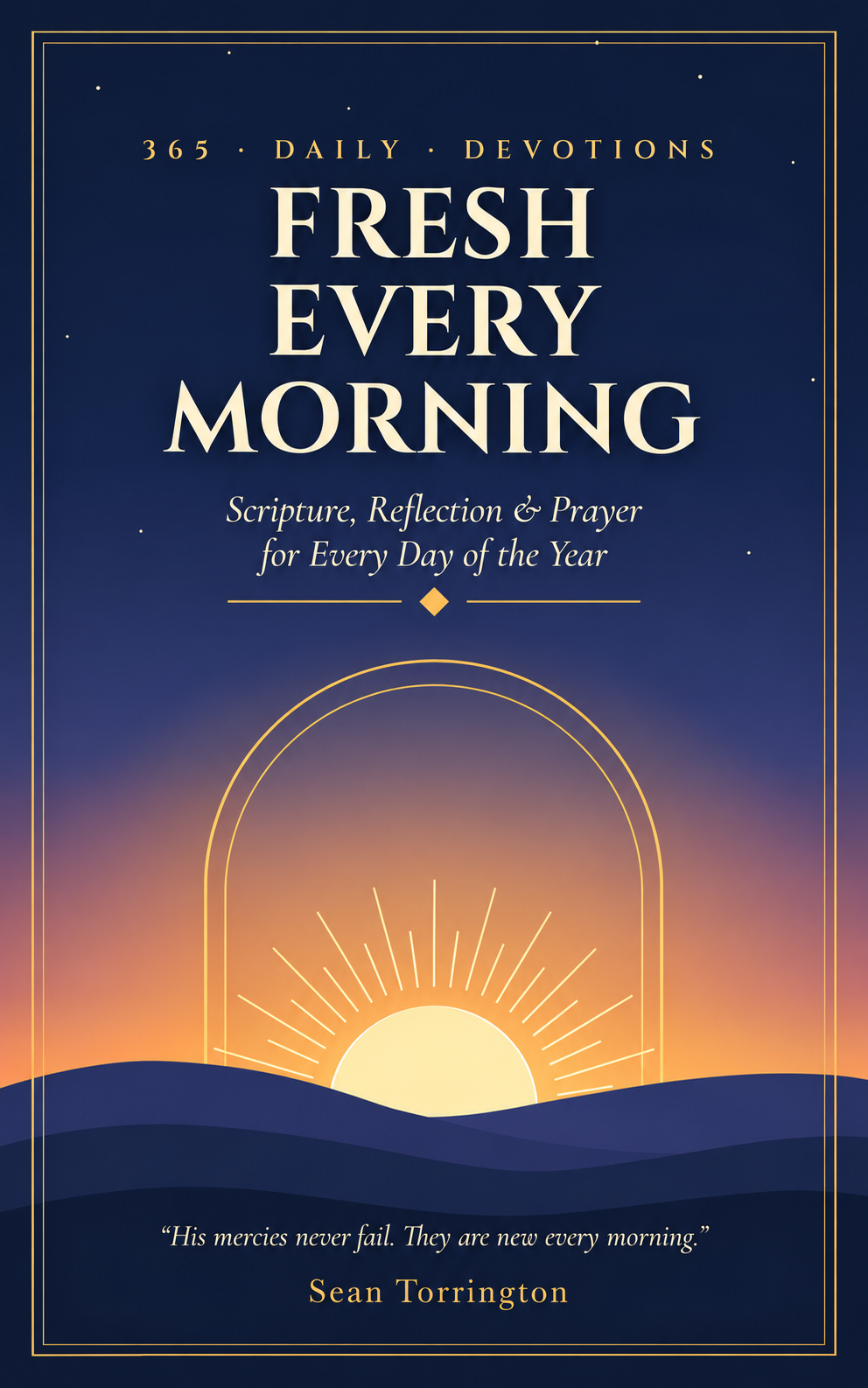
If you want a ready-made guide for those first mornings, Fresh Every Morning offers 366 daily readings with Scripture, reflection, and a short prayer.

Daily Prayer Examples to Guide Your Time
A daily prayer routine grows faster when you know what to say. Prayer doesn't need fancy words. It needs a shape you can repeat.
Try this simple pattern, often called the four-part prayer:
- Thanksgiving. Name one thing you're grateful for today.
- Confession. Tell God honestly where you fell short.
- Petition. Ask for what you and your family need.
- Intercession. Pray for one other person by name.
You can also pray Scripture back to God. Read a verse, then say it in your own words. Listening prayer is another option: sit quietly for two minutes and simply pay attention.
A prayer partner helps too. Praying with others, even once a week, keeps your prayer habit from drifting.
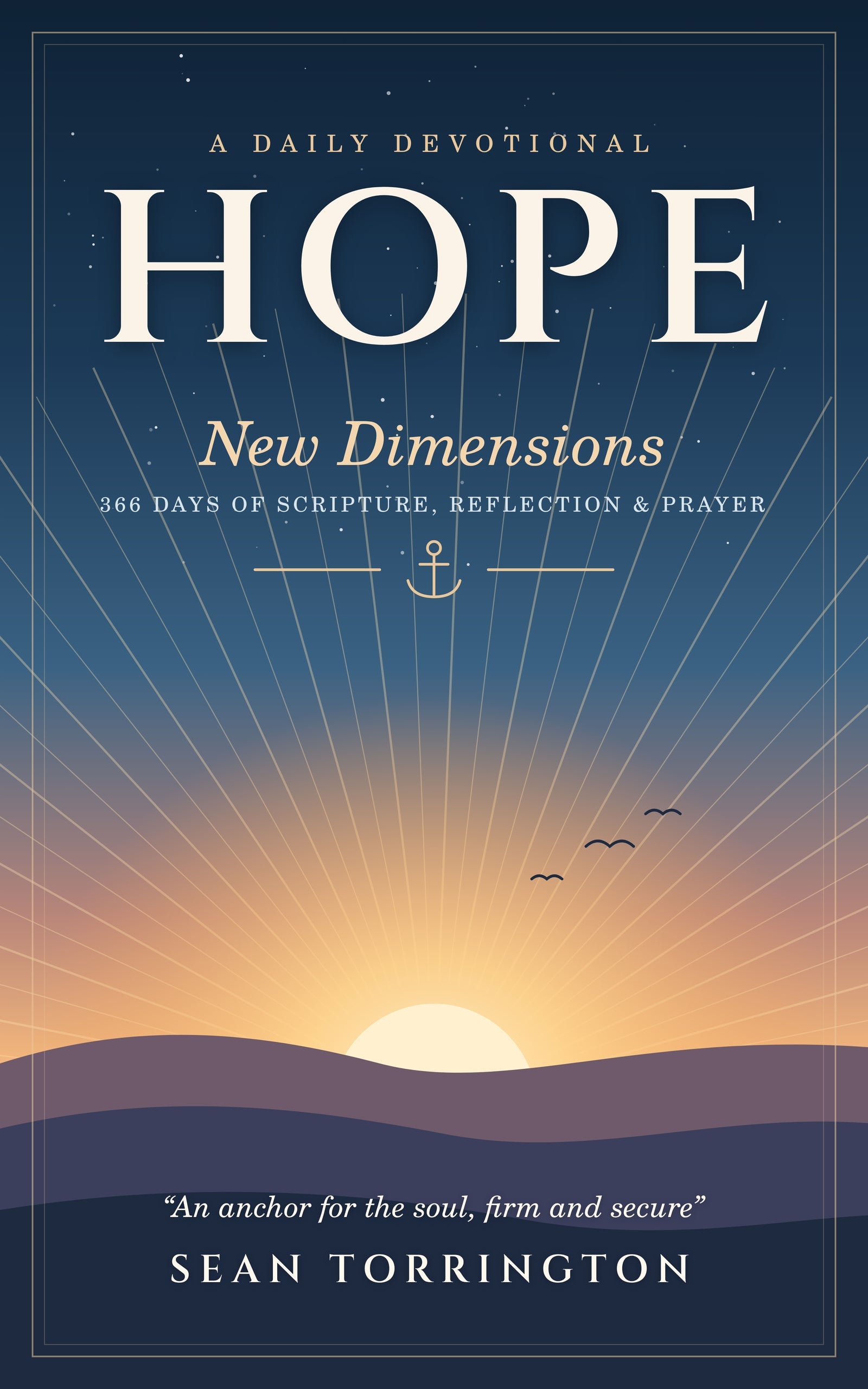
For readers who want daily prayer examples laid out for a full year, Hope: New Dimensions provides 366 days of Scripture, reflection, and prayer to follow.
How Long to Pray Each Day Without Overcomplicating It
There is no required length for daily prayer. Five to ten minutes done every day builds more consistency than an hour done once a month. Start where you are.
Here is a simple guide:
| Time Available | What to Do |
|---|---|
| 2-5 minutes | One verse, one prayer, one line of gratitude |
| 10-15 minutes | Scripture reading, reflection, and prayer |
| 20-30 minutes | Add intercession and quiet listening |
Praying throughout the day counts, too. Short prayers during everyday tasks, like a commute or a coffee break, keep your prayer life active between longer sessions.
A common mistake is measuring prayer like a performance. Missed days happen. What matters is returning, not scoring.
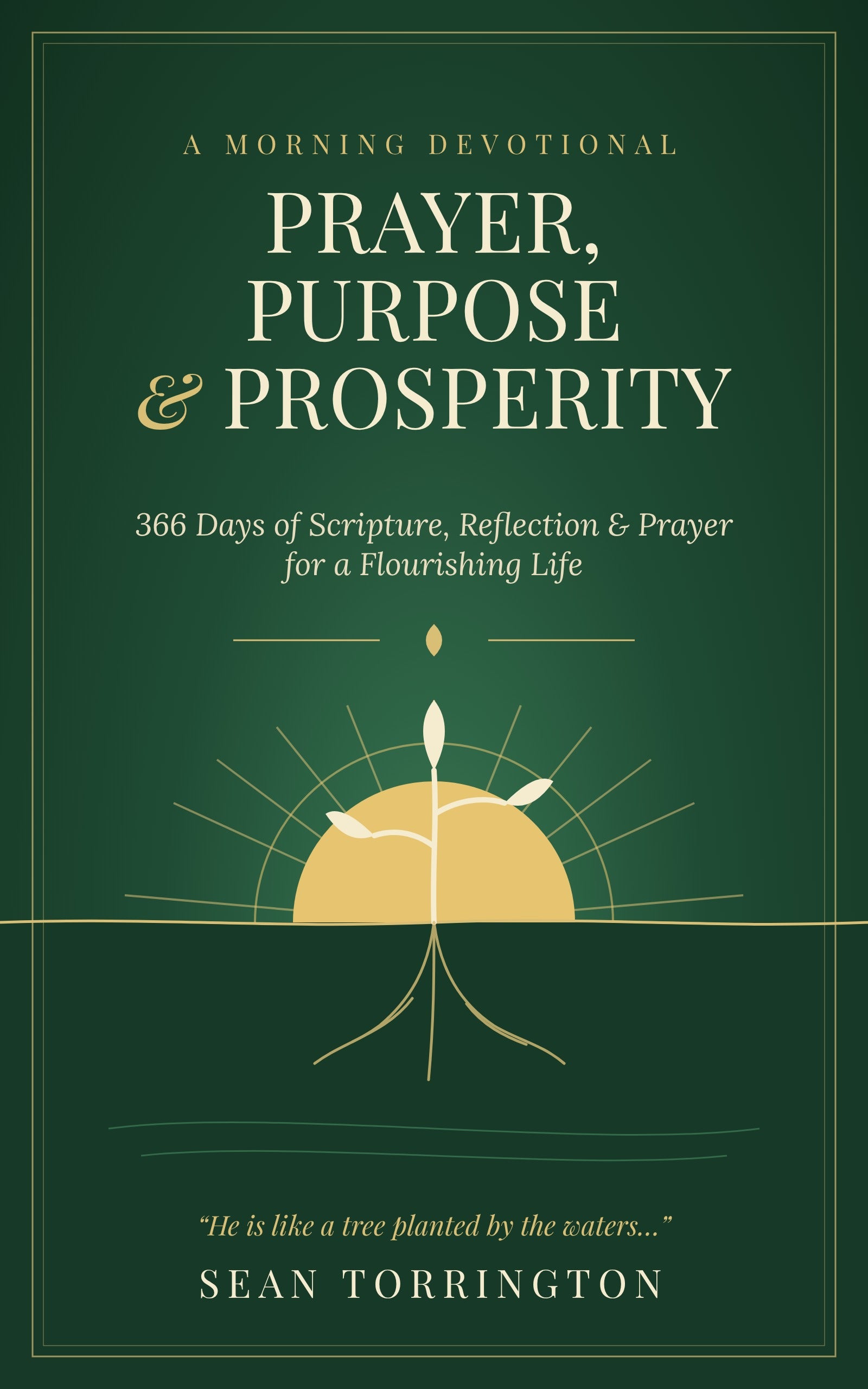
If you want a devotional built around prayer itself, Prayer, Purpose and Prosperity offers 366 morning readings with prayer, reflection, and a practical step for the day.
Use a Prayer Habit Tracker to Stay on Course
A prayer habit tracker is a simple record of your daily prayer time. A paper calendar with a checkmark works. So does a notes app. The point is seeing your consistency, not judging it.
Keep these habits in mind:
- Track the habit, not the feeling. Mark that you showed up.
- Set daily alarms or prayer reminders. A phone alert at 7 a.m. removes the decision.
- Review weekly, not daily. Look at the week as a whole.
- Restart without drama. Missed three days? Start again today.
Research published in PubMed Central on prayer in daily life and well-being suggests prayer may buffer stress and support coping. That's a good reason to keep the habit gentle.
When schedules shift, make your routine flexible. Pray in the car, on a walk, or during hands-free activities. Consistency comes from a routine that bends, not one that breaks.
Building a steady prayer life takes small, faithful steps, not perfect weeks. At DYNAMIC DYMENTIONZ SHOP ZONE, our FaithBuilt devotionals give you instant PDF and EPUB downloads with daily Scripture, reflection, and prayer, plus automatic savings in the basket when you buy more than one. Start with one devotional and let it anchor your mornings. Get started with DYNAMIC DYMENTIONZ SHOP ZONE and build a daily prayer habit that lasts.
Frequently Asked Questions
How can I keep a consistent prayer life when my schedule changes?
Anchor your daily prayer to a flexible cue rather than a fixed clock time. For example, pray during your commute, while folding laundry, or right after brushing your teeth. A prayer habit tracker can help you see patterns and adjust without guilt. Pew Research Center (2025) found that 44% of Americans pray at least daily. Keep a short list of daily prayer examples handy so you always know where to start, even on busy days.
How long should daily prayer take?
Start with five to ten minutes and let it grow naturally. The question of how long to pray each day matters less than showing up regularly. A focused five-minute prayer with Scripture and reflection can be more life-giving than a distracted half hour. If you miss a day, simply resume the next day without trying to make up the time. Consistency, not duration, builds the habit.
What should I do when I miss a day of prayer?
Treat a missed day as information, not failure. Ask what made that day different, then adjust your routine. If mornings are rushed, try a lunchtime or evening prayer. Use a prayer habit tracker to spot patterns, and keep a short daily prayer example ready for low-energy days. Restart the next day with a simple prayer of gratitude. Returning gently matters more than a perfect streak.
